Best RV Battery For Boondocking
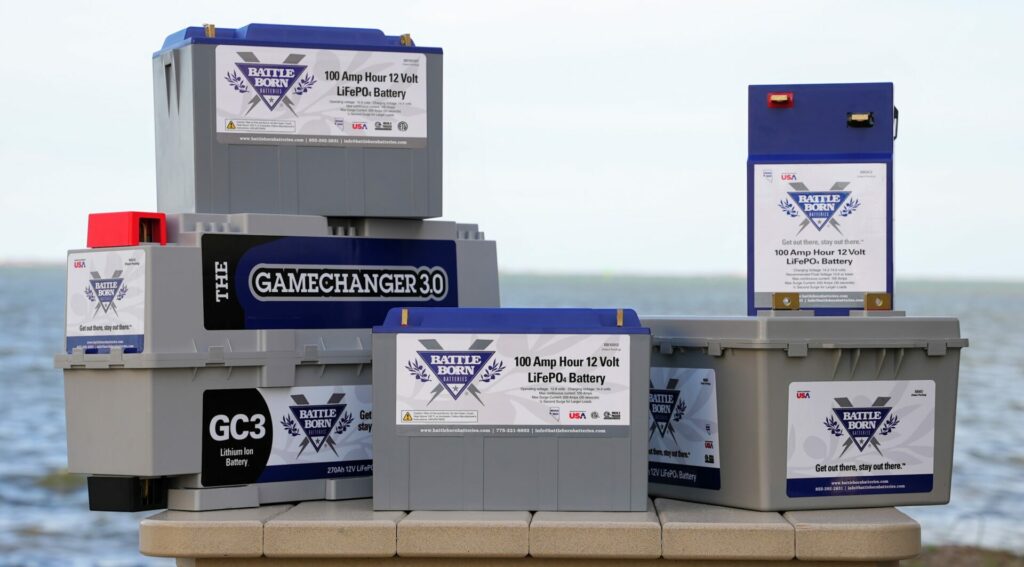
What are the best rv battery for boondocking?
The best RV batteries for boondocking will depend on your specific situation and what you’re looking to do with it. For example, if you like camping in hot areas that are dry throughout the year then a lithium battery would be ideal as it can withstand high temperatures without deteriorating or catching fire. If instead, you enjoy winter campouts and live somewhere where the climate is more moderate (or even cold) where there might be some snowfall during those months, lead-acid might be better suited because these types of batteries hold up well in colder climates than other types available today.
Weize’s RV battery for boondocking is present in the 2nd position in this listicle as it happens to be the most affordable option given here. Despite being the cheapest option present here, it still offers an amazing capacity rating of up to 100 Ah which is on par with other premium options. Another similarity between this and other RV batteries for boondocking is its 12 volt current output.
We’ll dig deep into the specifics below, but here’s the quick answer to the question, “What RV battery is the best for boondocking and dry camping?” If you’re on the extreme side of the casual camper spectrum (maybe you’ll only use your batteries every few years or something), you might consider going the cheapest route, which would be lead-acid RV batteries.
What are the downsides of using an off-the-shelf rv battery for boondocking?
The only downside I find with this battery is its inability to be connected in series. Not that it affects its claim to be a good boondocking battery setup, but you can’t use it to increase the voltage to 24 V if you wanted to use it in your off-grid house/setup.
Stores more energy: Boondocking will usually occur in a location where power is limited, which means your battery will need to handle the energy load more than usual. A regular rig battery can’t function well in this role. But an RV battery for dry camping should have no issues and ensure you get the needed power.
The shelf life of batteries is also important to consider, as you do not want to buy new ones every time you need them if they will just sit in storage for months on end before being used again. To prevent this from happening, try getting deep cycle marine batteries that have approximately 2 years grace periods were unused yet still kept up with maintenance (water levels) so there’s little chance of damage due to neglecting their care until next use. These tend to be more expensive than normal car/RV lead acid but well worth it in the end.
Resources:
 Site Title